Why Version Control Exists: The Pendrive Problem
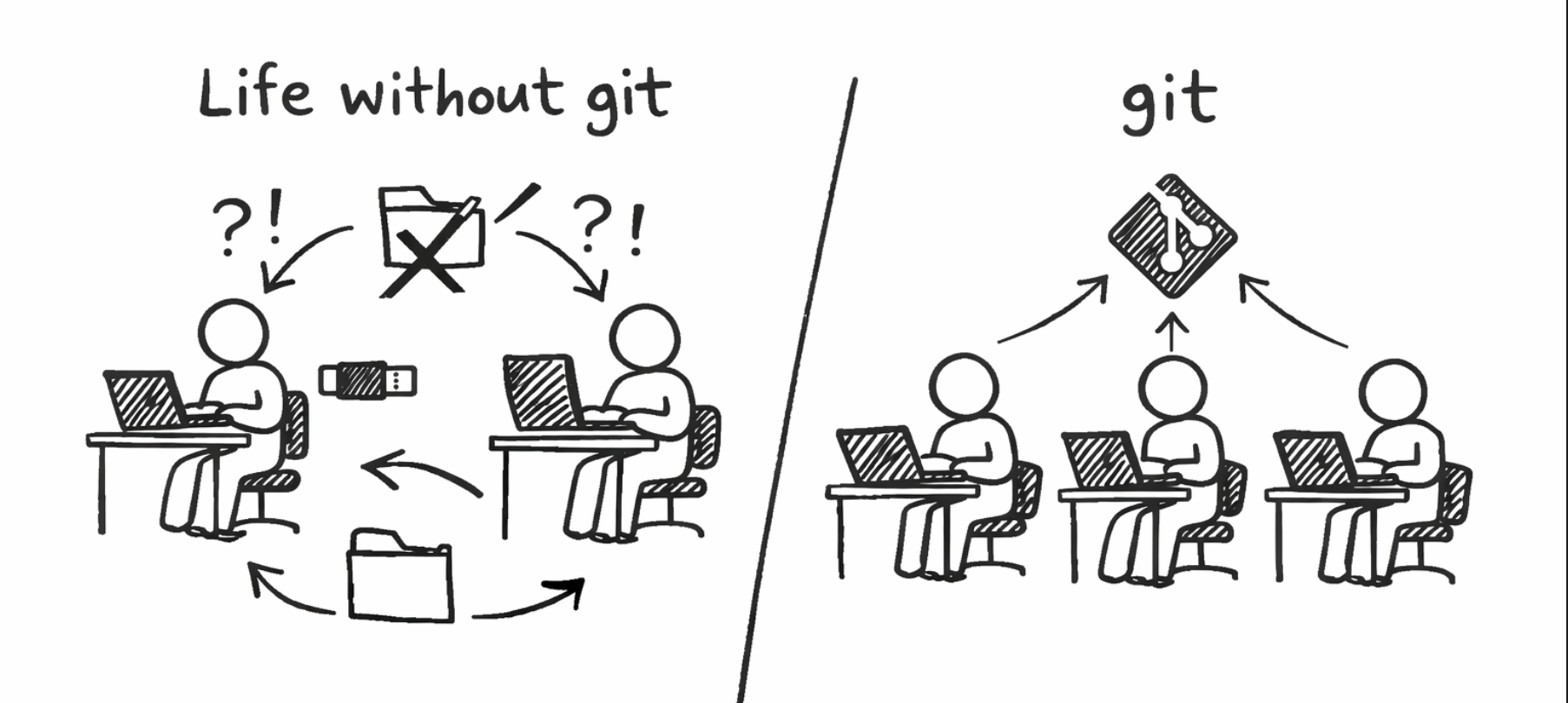
How Developers Managed Code Before Git & GitHub
Have you ever wondered how developers wrote and maintained code before Git and GitHub existed?
Before modern version control systems, developers relied on local folders, ZIP files, pendrives, and emails.
There was no automated history, no safe collaboration, and no easy rollback.
Let’s go back to that era.
Local System Era: Manual Version Control
Assume one developer named Viral, working on his final-year project.
He builds a stunning project and saves it locally as:
Final_project.zip --> Final_v2_project.zip --> Latest_Final_project.zip

Viral keeps all previous versions.
He can remember what he changed, but seeing multiple ZIP files is confusing and risky.
Which version is correct?
What if the wrong file gets deleted?
This was manual version control.
The Pendrive Analogy in Software Development
Now imagine a company with three developers:
Viral
Amit
Rohit
They are building a product using a pendrive.
Typical workflow:
Viral implements the login UI and saves it to the pendrive
Rohit copies it locally, adds backend logic, and saves it back
Amit copies it locally, writes testing scripts, and saves again
This is where the real problems start.
Problems Faced Before Version Control Systems
1. One Developer at a Time
Only one person can work if the pendrive is with them.
Parallel development causes the project to go out of sync.
2. No Accountability
There is no way to track:
Who wrote which code
When it was written
Why it was changed
When bugs appear, no one knows who is responsible.
3. No Rollback Option
If new code breaks the project:
There is no safe way to go back
Previous working code can be lost forever
4. Code Overwriting Risk
One developer can easily overwrite another developer’s work.
The last saved copy decides the final code.
Why Version Control Became Mandatory
As projects and teams grew, these problems became unmanageable.
Pendrives, emails, and ZIP files failed in real-world team collaboration.
Developers needed a system that could:
Track every change
Allow parallel work
Maintain full history
Provide accountability
Enable safe rollback
This need gave rise to version control systems.
Final Thoughts
Git and GitHub solved all these problems.
They didn’t just store code —
they brought history, collaboration, safety, and trust to software development.
Version control exists because software outgrew pendrives and folders.